
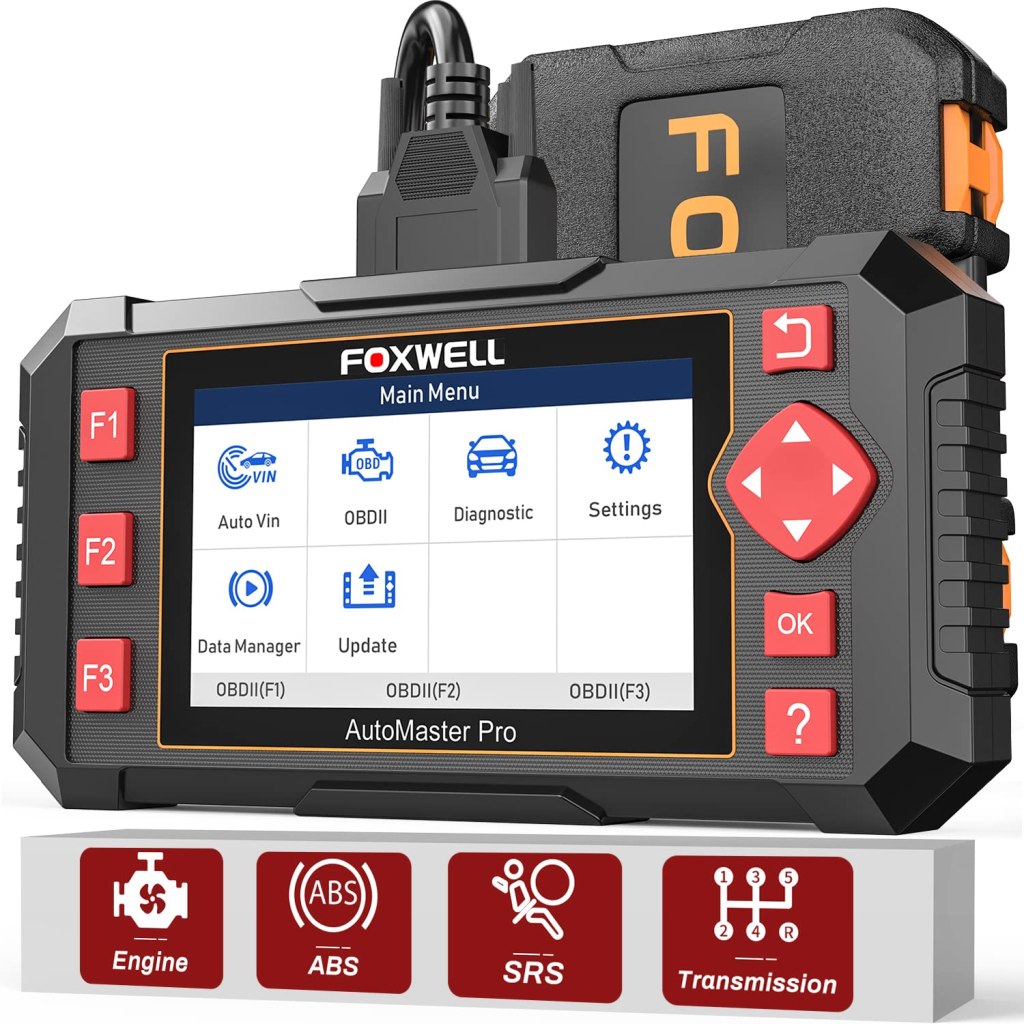
As technology advances, cars are becoming more complex and difficult to diagnose without the proper tools. That’s where a car scanner comes in handy. With a car scanner, you can quickly and easily diagnose issues with your vehicle and get back on the road in no time. In this ultimate guide, we’ll go over everything you need to know about car scanners and how they work.
What is a Car Scanner?
A car scanner, also known as an OBD-II scanner, is a tool that connects to your vehicle’s onboard diagnostic system. This system is responsible for monitoring and controlling various components of your car, such as the engine, transmission, and emissions. Automotive Diagnostic Scan Tools can read the data from this system and provide you with diagnostic information about your vehicle.
Types of Car Scanners
There are two main types of car scanners: handheld scanners and Bluetooth scanners. Handheld scanners are standalone devices that you plug into your car’s OBD-II port. They come with a screen and display the diagnostic information right on the device. Bluetooth scanners, on the other hand, connect to your smartphone or tablet via Bluetooth and display the diagnostic information through an app.
Benefits of Using a Car Scanner
Using a car scanner has many benefits. First and foremost, it can save you a lot of time and money. By quickly diagnosing issues with your vehicle, you can avoid costly trips to the mechanic. Additionally, a car scanner can help you identify minor issues before they become major problems, saving you even more money in the long run.
Another benefit of using a car scanner is that it gives you more control over your vehicle. You can monitor your car’s performance in real-time and make adjustments as needed. This can lead to better fuel efficiency and overall performance.
How to Use a Car Scanner
Using a car scanner is relatively simple. First, locate your car’s OBD-II port. This is usually located under the dashboard on the driver’s side of the vehicle. Plug the scanner into the port and turn on the ignition. The scanner will then read the data from your vehicle’s onboard diagnostic system and display the information on the screen or through the app.
Once you have the diagnostic information, you can use it to identify any issues with your vehicle. The scanner will provide you with error codes, which you can then look up in a database to determine the cause of the issue. From there, you can decide whether to fix the issue yourself or take it to a mechanic.
Tips for Choosing a Car Scanner
When choosing a car scanner, there are a few things to keep in mind. First, make sure the scanner is compatible with your vehicle. Not all scanners work with all cars, so be sure to check the compatibility before making a purchase.
Second, consider the features you need. Do you want a handheld scanner with a screen, or would you prefer a Bluetooth scanner that connects to your smartphone? Do you need a scanner with advanced diagnostic features, or will a basic scanner suffice?
Finally, consider the price. Car scanners can range in price from under $50 to over $500. Determine your budget and look for a scanner that fits your needs and your wallet.
In Conclusion
A car scanner is a valuable tool for any car owner. It can save you time and money by quickly diagnosing issues with your vehicle. Additionally, it gives you more control over your car’s performance and can help you identify minor issues before they become major problems. When choosing a Automotive Ecu Key Programmer, consider compatibility, features, and price to find the best scanner for your needs.
 Best news in the world